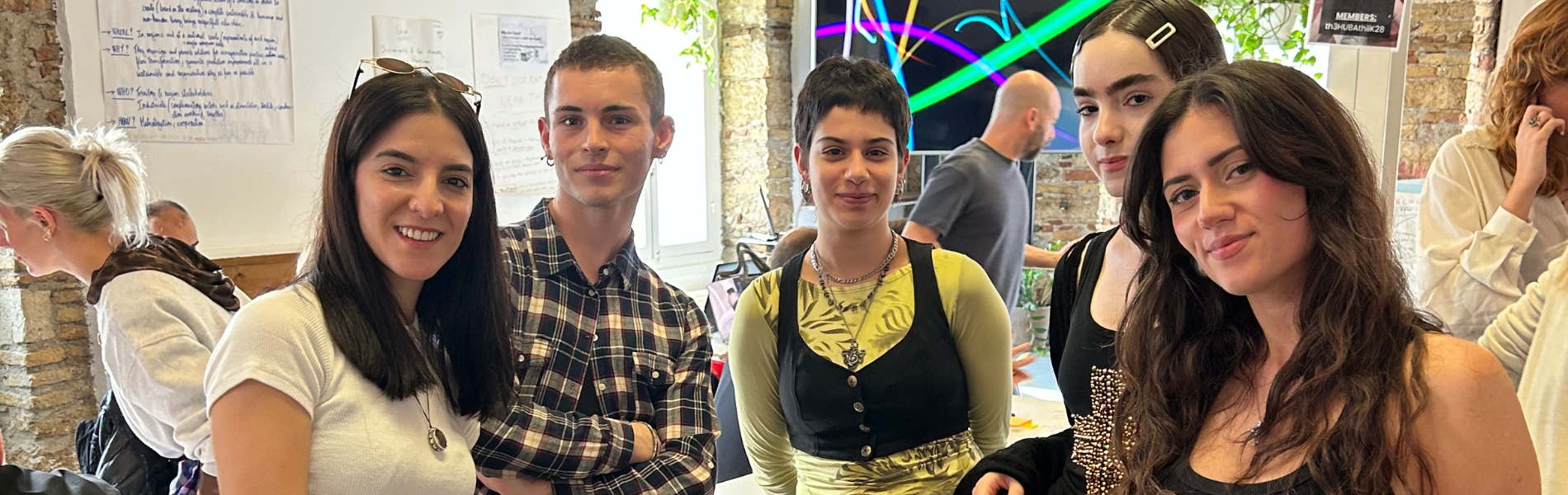
The Athens Fashion Hackathon 2025: A Three-Day Event for Circular Fashion in Athens
The Athens Fashion Hackathon 2025 wrapped up with an atmosphere of excitement, purpose, and genuine collaboration, proving that when diverse minds come together, innovation in sustainable fashion accelerates at remarkable speed. Held from 11–13 November 2025 at Impact Hub Athens, the three-day event brought designers, entrepreneurs, technologists, policymakers, researchers, and craftspeople into one shared creative space to reimagine the future of circular fashion in Greece.
A Living Lab for Sustainable Transformation
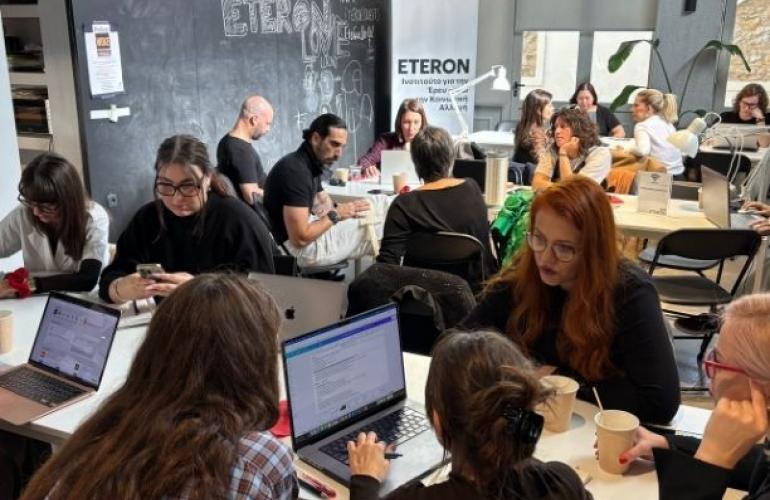
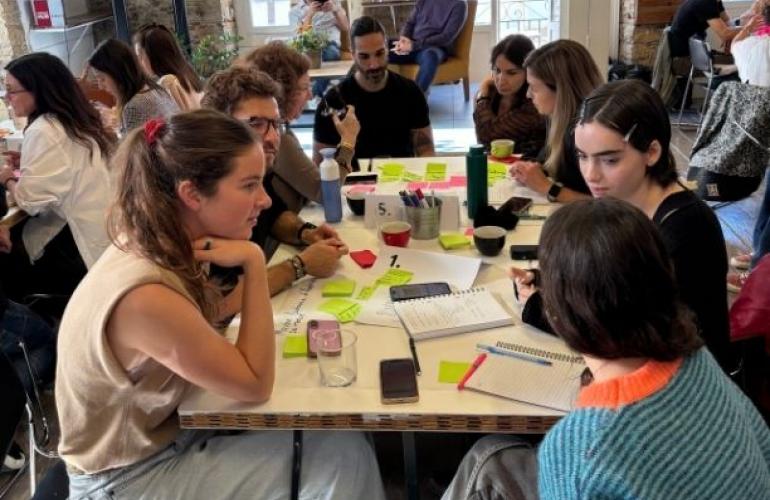
What began with system-mapping and cross-sector discussions quickly evolved into a dynamic laboratory of ideas. Participants explored the complexities of Athens’ textile and clothing ecosystem—waste streams, micro plastics, supply-chain gaps, labor challenges, local manufacturing constraints—and translated them into actionable innovation challenges.
Throughout the hackathon, teams demonstrated a strong desire to bridge creativity with environmental responsibility. Digital fashion, regenerative materials, circular business models, and transparent supply-chain solutions emerged as central themes. This orientation towards practical and scalable impact marked the event as more than an ideation sprint—it became a blueprint for future implementation.
From Ideas to Prototypes
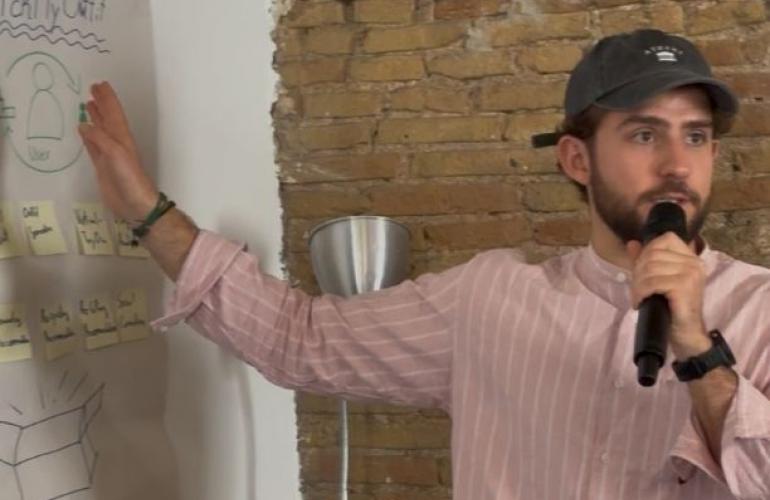
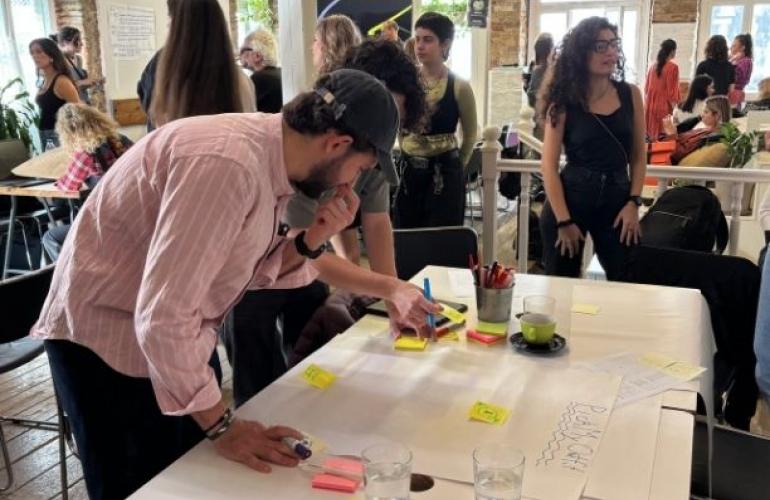
The heart of the hackathon was its intensive design sprint. Teams worked closely with a remarkable lineup of Greek and international mentors who offered guidance in sustainability strategy, AI, 3D workflows, circular design, business modelling, and community-driven innovation.
By Day 3, dozens of concepts had evolved into polished prototypes. Among them were:
- AI-assisted zero-waste design systems that reduce material loss in small-scale Greek production
- Local repair ecosystems and community hubs designed to make clothing maintenance accessible and culturally valued
- Microfiber mitigation tools integrated into consumer washing processes and product design
- Digital platforms connecting surplus materials with designers, enabling real-time redistribution of textile waste
- Circular business services integrating resale, rental, and take-back programs for boutique brands in Athens
What stood out across all projects was the cross-disciplinary approach—tech and craft, policy and design, academia and entrepreneurship converging in ways rarely seen in Greece’s fashion sector.
PANSiK’s Contribution: Education at the Heart of Cultural Transformation
A significant highlight of the event was the participation of PANSiK Fashion School, whose presence reaffirmed the essential role of education in shaping the next generation of circular and digitally empowered fashion professionals.
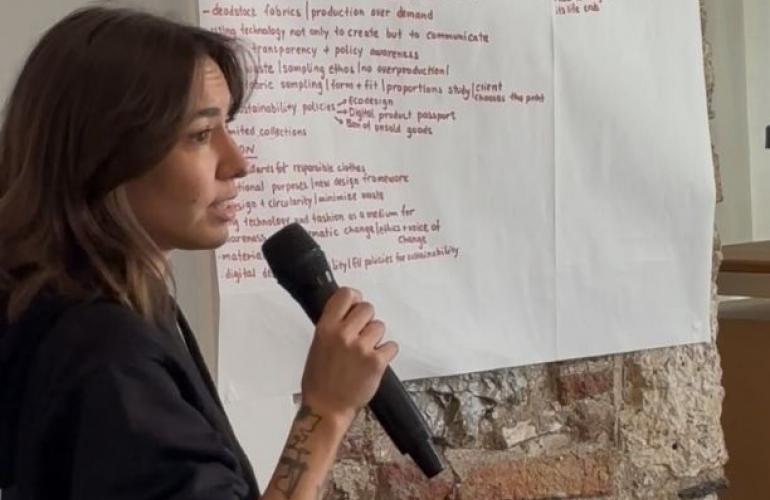
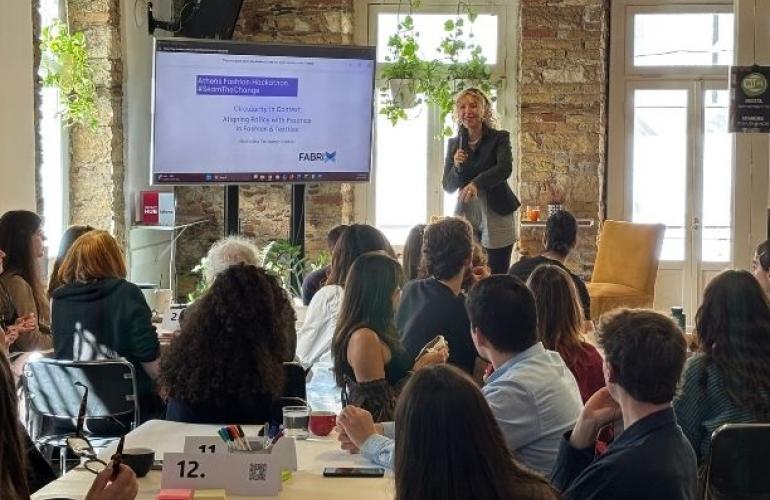
During her keynote contribution, Eftychia Panagopoulou, PANSiK’s Head of Education, delivered a compelling talk on how the school has been integrating AI and digital tools into its curriculum. She emphasized that the future of fashion education cannot rely solely on technical upgrades—it requires a deep cultural transformation.
Eftychia Panagopoulou argued that digital transformation is not merely about adopting new software or workflows; it is about reshaping the mindset of students, educators, and institutions. She highlighted how PANSiK encourages experimentation, digital literacy, critical thinking, and ethical responsibility across all design and production modules. From 3D design and virtual prototyping to AI-assisted research and creative ideation, the school positions technology not as a replacement for creativity but as an amplifier of it.
Her message resonated strongly with the audience: to build a sustainable fashion future, education must cultivate a culture that embraces change, innovation, and accountability. PANSiK’s approach showcased how forward-thinking schools are already driving this transition and preparing talent for the realities of circular, data-driven, and digitally supported fashion ecosystems.
A Community Brought Together
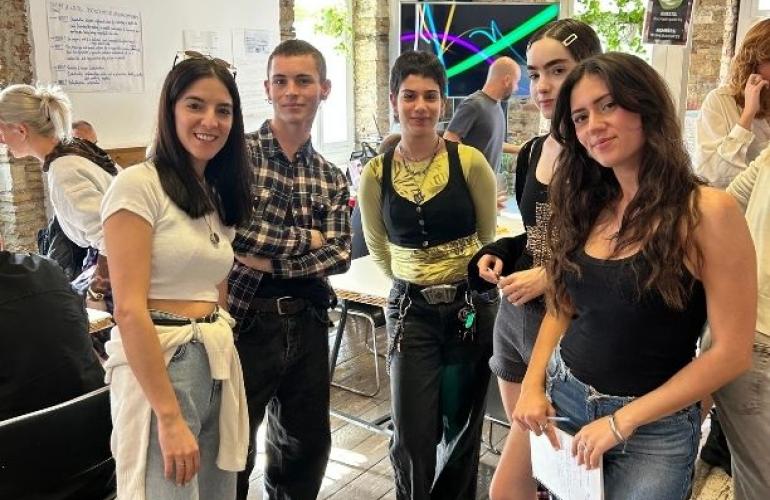
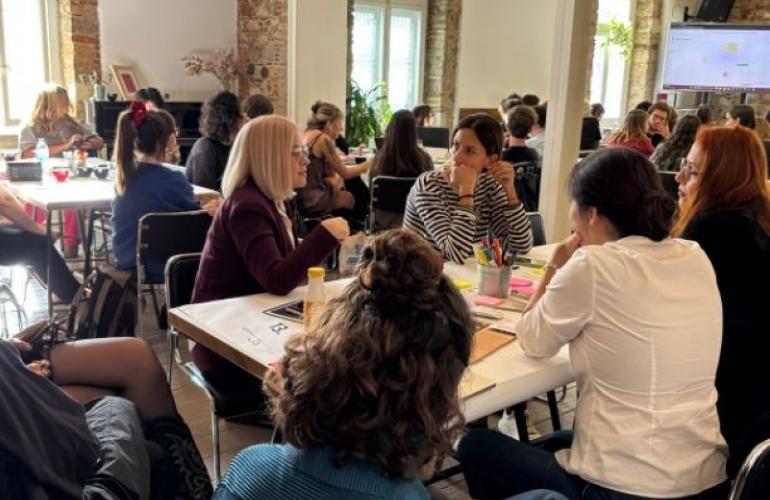
The hackathon gathered an impressive mix of participants not only from across Greece but also from cities including Amsterdam, Berlin, Paris, Milan, Istanbul, and Stockholm. This exchange infused the event with global insight, while grounding innovations in the local Athenian context.
Mentors and jury members—experts in circular economy, AI, sustainable business, and fashion innovation—praised teams for their collaborative spirit and the high calibre of ideas developed in such a short timeframe.
The Finale: Pitches, Awards, and New Beginnings
The closing evening brought a full house: teams presented their solutions in concise, energetic pitches to an engaged audience and a diverse jury. Awards celebrated not only technical achievement but also creativity, feasibility, and potential for long-term ecosystem impact.
The finale wasn’t simply a celebration of what was built—it marked the beginning of what comes next. Selected teams will continue refining their concepts through integration with the FABRIX platform, where they will have access to toolkits, mentoring, and an action-oriented ecosystem for further development.
A Turning Point for Athens’ Fashion Future
The Athens Fashion Hackathon wasn’t just an event; it was a catalyst. It illuminated the potential of Athens to become a hub for sustainable textile and clothing innovation, blending local craftsmanship with advanced digital tools and forward-thinking policy frameworks.
As participants, organizers, and partners reflected, one theme resonated: the future of fashion in Greece must be circular, collaborative, and community-centered—and this hackathon was a powerful step in that direction.