By Sarantis Biskas.
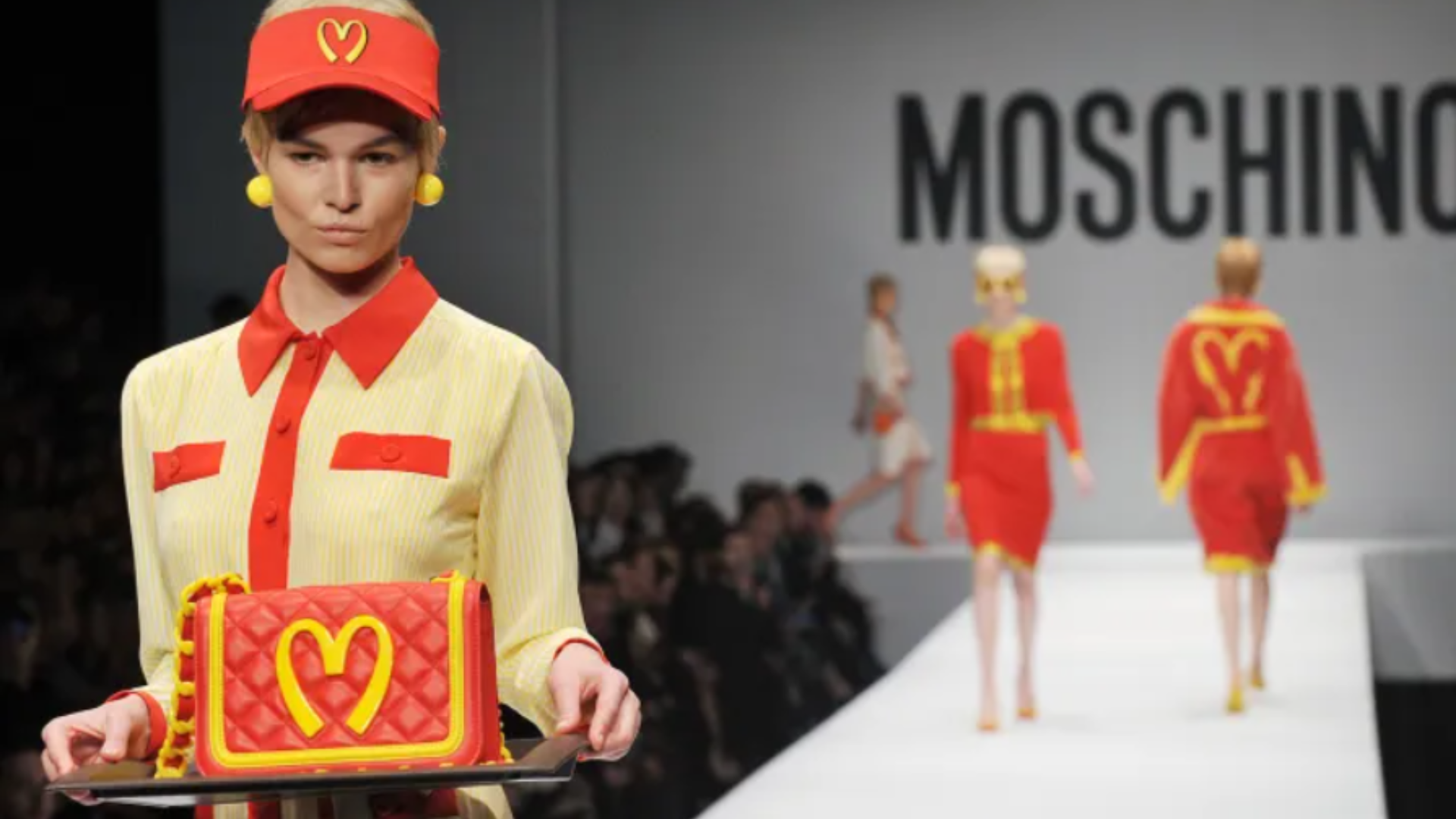
The fast pace of life in large urban centers, combined with the conveniences they offer, is defined by rationality—the ability for practices and processes to function based on efficiency and cost-effectiveness. This observation was introduced in 1983 in the Journal of American Culture by philosopher and University of Maryland professor George Ritzer, in his article “The ‘McDonaldization’ of Society.” According to him, a society driven by rationality is characterized by efficiency, predictability, quantity over quality, extensive use of technology, and control—essentially, the exact model of a McDonald’s restaurant. In 2026, this theory aligns perfectly with ongoing conversations in fashion around artificial intelligence, production models, and the service structures of fast fashion brands.
- Efficiency: A visit to a McDonald’s is defined above all by efficiency. Whether a customer orders through an in-store screen or via drive-through, the process is immediate and requires minimal human interaction. The frozen food—provided through a highly standardized supply chain—is ready within minutes. The consumer can eat quickly and move on to their next efficient activity. Similarly, fast fashion brands need only 2–4 weeks to take a design from concept to store. Customers can shop online and receive their order within three business days or collect it from a store locker at their convenience. Physical stores are strategically located for easy access, offering a seamless and efficient shopping experience.
- Predictability: The interior of McDonald’s stores varies little across locations. Customers order from the same menu, interact with similarly trained staff, and receive identical food worldwide. There are no surprises throughout this experience. This predictability originates from step-by-step management processes. Likewise, stores belonging to fashion conglomerates share the same layout, service practices, and overall atmosphere. Customers are not caught off guard—they encounter the same clothing items across all locations of a chain or visit specifically to try pieces they’ve already seen on the brand’s app.
- Quantity over Quality: George Ritzer highlights a shift toward quantitative metrics that prioritize measurable outcomes over quality. A computational mindset can redirect a company’s focus from delivering meaningful products and services to achieving performance indicators. Fast fashion brands fully embody this principle. Their approach is reflected in the massive volume of garments and the high number of collections released each year. Low prices often signal corresponding quality, shaping the overall consumer experience. Sales associates rarely provide personalized assistance unless asked. This data-driven evaluation is also evident in annual reports, where numbers, percentages, and charts replace any emphasis on craftsmanship.
- Substitution of Non-Human Technology: The operation of a McDonald’s is deeply supported by machines and systems that, while assisting employees, limit their autonomy. Customer interaction becomes entirely standardized. Similarly, major fast fashion brands rely on software and automated systems for customer service. Cash registers, POS systems, QR codes on walls and clothing tags, and services like “click & collect” all contribute to instant gratification while significantly reducing human interaction. When human contact is necessary, it is often so standardized that replacing staff with AI systems no longer seems far-fetched.
- Control: From the above, it becomes clear that control is easier to maintain through such systems. Standardized processes, supported by machines, limit the range of choices for both employees and consumers. The fast fashion retail experience is nearly identical every time; clothing varies minimally across chains, and customer service remains consistent worldwide. Strict corporate policies leave little room for independent action or initiative. Much like McDonald’s intentionally designs its spaces—with bright lighting and uncomfortable seating—to discourage long stays, fast fashion environments are structured to maximize turnover. Free will may exist, but it is constrained when conditions fail to encourage it.
All these are not intended to discourage consumers from shopping at fast fashion stores. These chains provide affordable and fashion- forward clothing to billions of people worldwide. What is recommended instead is a society guided by rationality but grounded in environmental and qualitative awareness. In fashion, this could translate into supporting small businesses, choosing preloved items, or simply limiting excessive shopping sprees. Because the cost of this “rational” Western system comes at a high price. In April 2013, the Rana Plaza collapse—a garment factory supplying brands like H&M and Primark—collapsed, killing 1,135 people and injuring nearly 2,000. In parts of China, workers in factories linked to Shein reportedly work up to 75 hours per week under harsh conditions, earning a minimum wage of $329. Therefore, perhaps the fashion industry (and the food industry as well) has something to gain from a less rational approach. After all, fashion is the ideal space for romanticization, self-expression, and unrestrained creativity.
References
Bicker, L. (2025, January 13). Shein: Inside the chinese factories fuelling the company’s success. BBC. https://www.bbc.com/news/articles/cdrylgvr77jo
Ritzer, G. (1983). The “McDonaldization” of Society. The Journal of American Culture, 6(1), 100–107. https://doi.org/10.1111/j.1542-734x.1983.0601_100.x
Ritzer, G. (2012, May 2). Bio. George Ritzer. https://georgeritzer.wordpress.com/bio/
Welle (www.dw.com), D. (2016, April 24). Protesters in Bangladesh demand justice on Rana Plaza anniversary | DW | 24.04.2016. DW.COM. https://www.dw.com/en/protesters-in-bangladesh-demand-justice-on-rana-p…