Paris Fashion Week SS26 – Flash Recap
The SS 2026 season in Paris was more than just a clothes show: it served as a testament to the transition the fashion industry is experiencing — moving away from the chatter of instant hype towards an investment in long-term value, creative direction, and narrative.
A Refresh on the Scene: Significant Changes
One of the dominant themes was the multitude of new beginnings: leading brands presented new artistic/creative directors or major shift collections, aiming to preserve their legacy while ensuring a fresh approach.
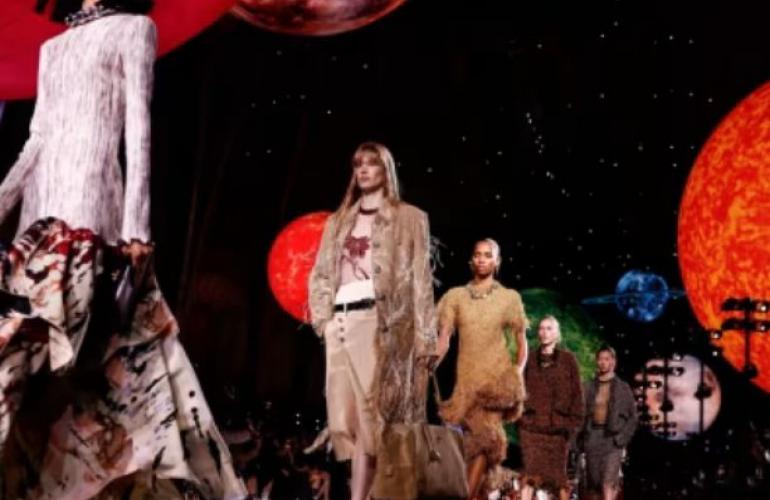
- Matthieu Blazy at Chanel: Blazy made his highly anticipated debut as the new Artistic Director of Chanel (succeeding Virginie Viard). He created a cosmic/star-themed set, merging heritage elements (such as tweed and clean lines) with a contemporary, lighter touch.
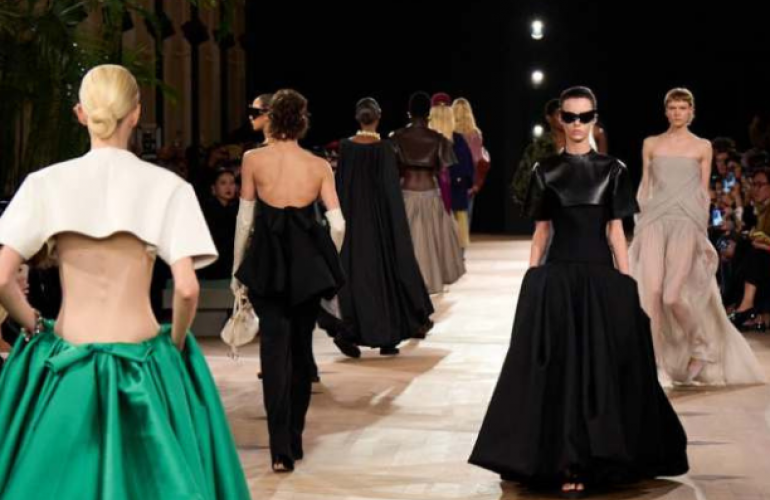
- Pierpaolo Piccioli at Balenciaga: Piccioli took over from Demna and presented a collection that felt like a reset for the house — referencing the roots of Cristobal Balenciaga's haute couture, but with a modern rhythm, less intensity, and more flow and human movement.
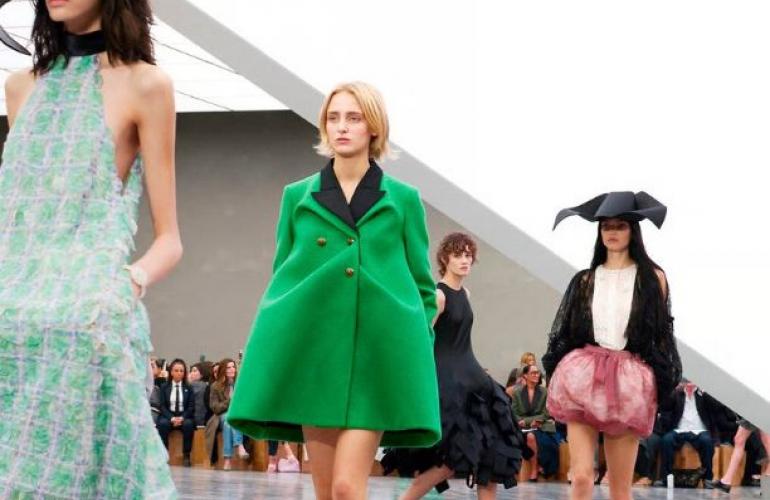
- Jonathan Anderson at Dior (Womenswear): Anderson debuted his Womenswear Ready-to-Wear collection at Dior as the first creative director with complete oversight (men's & women's) since Monsieur Dior himself. He boldly restarted, combining archival material (like the New Look) and redesigned silhouettes (volume, bows) that showed respect for the legacy but with a fresh, often playful perspective.
Standout Trends: Depth and Texture
Alongside the shifts among the designers, the season highlighted a few defining motifs:
- Continuity of History: Many houses avoided radical upheaval, choosing instead to continue their story with respect and re-imagining, rather than mere nostalgia.
- From "Spectacle" to "Storytelling" (Narrative): Fashion is no longer solely pursuing fleeting viral moments, but rather collections with longevity and emotional depth.
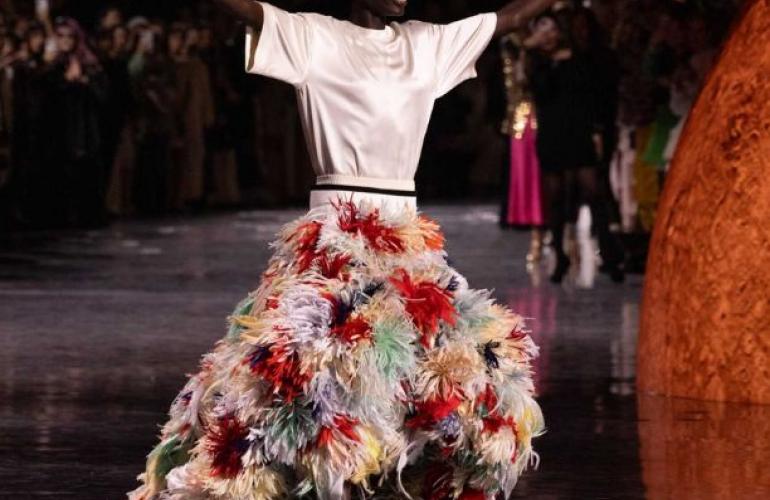
- Bold Color Palettes and Textures: Silhouettes played with volume, form, and layering, offering visual surprises, with a strong focus on the quality of materials (substance).
Moments That Defined the Season
- Chanel (Blazy): A feeling of "returning to a new normal" was palpable. Blazy incorporated lighter fabrics and cleaner lines, avoiding excessive nostalgia and steering the house onto a new "cosmic" trajectory.
- Balenciaga (Piccioli): Piccioli introduced a new rhythm — less tension, more flow and human movement. The collection focused on elegance, architectural form, and the human dimension.
- Dior (Anderson): Anderson proved he could manage a massive name in an inspiring way, collaborating with the legacy instead of "swallowing" it. The collection was a bold, almost theatrical, re-approach to the founding codes of the house.
- The "Element of Surprise": SS26 also carried a strong "element of surprise," with many new names and appointments (such as Alessandro Michele at Valentino and Louise Trotter at Bottega Veneta) introducing fresh ideas beyond the traditional house-brands.
The Legacy of the SS26 Season
SS26 was not just show after show. It was the turning of a new page for fashion:
- Brands are investing in a long-term relationship with their audience, not just the "provocative moment."
- Collections are inspired by their archives, but they do not copy them — they redesign and reinterpret.
- The audience (buyers, editors, influencers) appears to be seeking substance — less "shock and awe," and more depth and quality.